
After regular use over time, they build a tolerance, where the effects of the substance are not noticed as much or at all. The person experiences symptoms when they stop using the substance, which makes them feel the need to use it again. A 2020 study found that people have “genetic liability” with cannabis use disorder, meaning they are born with specific genes that increase their risk. However, experts agree there are usually more contributing factors, such as environment, access to marijuana, socioeconomic status, and more. Another study found that those who begin using marijuana before the age of 18 are four to seven times more likely to develop a cannabis use disorder later in life. The increased potency of modern marijuana strains means that there is a greater risk for tolerance, dependence, addiction, and withdrawal.

Caffeine Addiction: Symptoms, Effects, and Recovery Strategies
- If you need more anesthesia to fall asleep because of your pot use, you’re at a higher risk of low blood pressure and a delayed wake-up after surgery.
- The THC level usually peaks in about 30 minutes, and its effects may wear off in one to three hours.
- A minor investigation in Canada used structured interviews with experienced marijuana users (i.e., those who had used marijuana 25 or more times) to examine reasons for marijuana usage.
It’s like having a pharmaceutical cheerleader in your corner, giving you that extra boost when the going gets tough. Let’s address the elephant in the room – or should I say, the joint in the ashtray? There’s a persistent belief that weed isn’t addictive, but science begs to differ. While it’s true that cannabis doesn’t carry the same physical addiction potential as some other substances, psychological dependence is very real and can be just as challenging to overcome.
- Cannabis makes users feel relaxed and sleepy, or it can create a feeling of giddiness, with some users feeling very talkative.
- But in the long run, marijuana can do a lot of harm to your sleep.
- Individuals must show at least 2 symptoms over a 12-month period to receive the diagnosis of a Cannabis Use Disorder.
- Some are even dependent on the drug, using it daily and going through withdrawal if they try to quit, but they still remain functional.
- The latter data supports the addictive model of cannabis as insula activation may serve as a biomarker to help predict relapse (Filbey et al. 2016).
This Is Your Brain on Creatine
Plus, pediatricians and others have long said that marijuana can impair brain functions in people under the age of 25. One study stated that medical marijuana can help children with seizures and chemotherapy-induced nausea. Mental health conditions, which have both genetic and environmental causes play a large one in a person’s chance of developing an addiction. They add that people who use marijuana before age 18 are 4 to 7 times more likely to develop this use disorder than adults. What we do know is that more people are consuming weed regularly. The number of adults in the Alcoholics Anonymous U.S. who smoke marijuana has more than doubled since 2013.
Substance Use
4) Giving up social, occupational, or recreational activities because of the use of cannabis. Due to the progressive nature of these symptoms, the user does not recognize these changes despite comments and concerns of https://ecosoberhouse.com/ others. As the use of cannabis increases a person slowly changes their social group and activities with peers who use about the same if not more. This tends to normalize use for the person despite the increase in need.

Can Medicine Help With CUD?
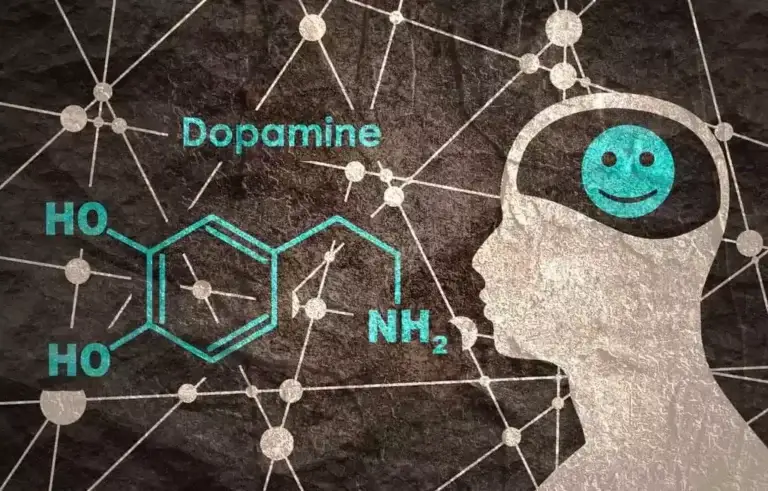
Detox aims to alleviate discomfort while the body adjusts to functioning without cannabis, employing strategies such as hydration, balanced nutrition, and rest. Emotional support through this period is vital, as withdrawal can be challenging both physically and mentally. Recognizing the signs of cannabis addiction, or CUD is crucial or identifying when casual use has transitioned into a dependency that impacts daily functioning. Weed’s addictive potential lies in its effect on dopamine, a key player in the brain’s reward system.
Marijuana Benefits
People may use the terms “cannabis,” “weed,” and “marijuana” interchangeably, but the latter term has racist connotations. This article will use “cannabis” to refer to products from Cannabis sativa and indica plants. Regular cannabis use can lead to coughing, wheezing, phlegm, and a higher risk of respiratory infections. This may cause your airways to be more sensitive, which could cause problems when your doctor puts in or takes out your breathing tube. Along with having why is weed so addicting trouble breathing, you might feel like you’re having an asthma attack or have less oxygen in your lungs.
- Meditation or other stress relieving activities may also help you use less.
- NAC helps regulate the intra- and extracellular levels of glutamate through the cysteine-glutamate antiporter.
- According to a research by the National Institute on Drug Abuse, the average THC content in confiscated marijuana samples in 1990 was just under 4 percent.
- Finding others who are dealing with the same issues as you can be validating, and you can learn from one another about different ways to cope.

